How to Choose Cancun Corporate Event Venues
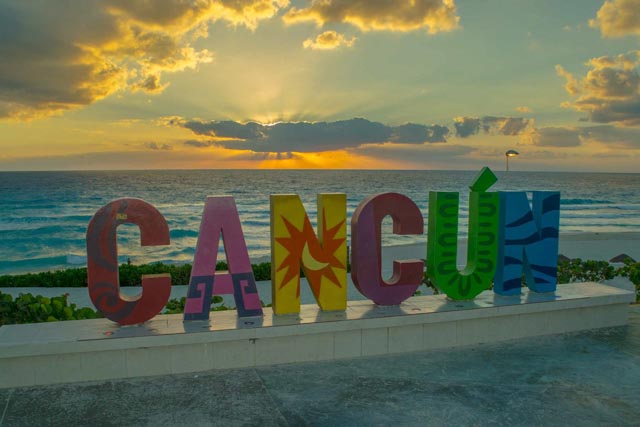
A Cancun program can look effortless to attendees while demanding very precise decisions behind the scenes. The strongest Cancun corporate event venues do more than provide attractive views and a large ballroom. They support the way your group needs to arrive, meet, dine, connect, and move through a multi-day agenda without adding avoidable friction for planners.
For US-based teams, Cancun offers a compelling combination of international air access, established hospitality infrastructure, and an environment that can make a sales meeting, incentive, leadership retreat, or conference feel meaningfully different from a standard hotel program. The right fit, however, depends on more than destination appeal. It depends on aligning the venue with the purpose and operating requirements of the event.
Start With the Event, Not the View
Before comparing properties, define what success looks like for the program. A leadership offsite with 40 executives has different priorities than a 600-person sales conference. The first may need privacy, premium dining, outdoor gathering areas, and a setting that encourages conversation. The second may require a divisible ballroom, multiple breakouts, reliable production infrastructure, registration flow, and enough guest rooms to keep the group together.
This distinction matters in Cancun because the venue landscape is broad. Planners can source full-service conference resorts, dedicated meeting hotels, independent event spaces, beach clubs suitable for structured functions, and more intimate properties for executive groups. A beautiful setting is valuable, but it should support the agenda rather than compete with it.
Write a short venue brief before outreach. Include your target dates, peak room block, general session count, breakout needs, meal functions, outdoor event plans, production scope, budget approach, and any security or privacy requirements. This gives venues enough context to respond accurately and makes side-by-side comparisons far more useful.
Evaluate Capacity as a Complete Picture
Meeting capacity is not simply the maximum number listed for a ballroom. Ask how the room performs in the setup you actually need. A theater-style general session, classroom training, rounds for an awards dinner, and a reception with activations all require different square footage, sightlines, and circulation space.
For larger programs, examine whether breakout rooms are located near the general session space. A property may have sufficient total meeting square footage but distribute it across separate wings or levels. That can slow transitions, complicate staffing, and make it harder for attendees to find sessions on time.
Also consider the flow around the meeting rooms. Registration desks, sponsor tables, coffee breaks, charging areas, and networking moments need a logical home. Pre-function space can be as important as the ballroom itself, especially when the agenda calls for frequent breaks or exhibitor engagement.
Questions that reveal operational fit
Ask whether meeting space is dedicated to your group or shared with other programs, whether rooms can remain set overnight, and what restrictions apply to rigging, branded installations, or outside production partners. Confirm loading access and the path from loading dock to ballroom before committing to ambitious staging or experiential elements.
If your event relies on hybrid participation, request detailed information on internet service, bandwidth allocation, hardwired connection options, and technical support. General statements about Wi-Fi are not enough for live streaming, interactive platforms, or a production-heavy general session.
Choose the Right Cancun Location for Your Agenda
Cancun's hotel zone, downtown area, and nearby Riviera Maya corridor each create a different guest experience and logistical profile. There is no universally best location. The choice should reflect arrival patterns, planned offsite activities, room block needs, and the amount of travel you want attendees to manage during the program.
Properties close to the airport can reduce transfer time, which is especially helpful for short meetings or groups with staggered arrivals. Venues in the hotel zone can put guests near restaurants, shopping, and entertainment while keeping the program within a familiar resort district. For groups seeking a more contained setting, a resort with substantial on-site meeting and dining options may reduce the need for transportation during the event.
Travel time needs honest review. A venue that seems close on a map may involve longer transfers during busy periods or require careful scheduling for group movements. Build airport transfers, offsite transportation, and departure timing into the sourcing conversation early. The attendee experience begins at arrival, not at the opening reception.
Look Beyond Guest Rooms and Ballrooms
A corporate venue becomes more valuable when its full environment supports the program. Consider where informal conversations will happen between sessions, how VIPs can be hosted, and whether the property has distinct spaces for welcome functions, recognition dinners, or team-building activities.
Outdoor venues are a major advantage in Cancun, but they require practical planning. Ask about weather contingencies, covered alternatives, sound limitations, curfews, lighting, power, and protection from wind. A beachfront dinner can be memorable, yet it needs a credible backup plan that preserves the experience if conditions change.
Food and beverage also deserves a detailed conversation. Review banquet menus alongside flexibility for dietary needs, timing for large meal functions, late-night options, and the venue's experience with themed events or regional culinary programming. For incentive groups and customer-facing events, dining is often part of the destination story. For conferences, it is equally an operational matter of speed, consistency, and attendee comfort.
Assess service partnership early
The venue team is part of the event operation. During the proposal and site inspection process, notice how clearly the sales and events teams communicate, how quickly they clarify questions, and whether they understand your program's priorities. A detailed response that addresses room setups, concessions, contingency plans, and logistics is more useful than a polished proposal with broad promises.
Ask who will manage the event after contracting and when you will be introduced to banquet, convention services, and technical contacts. Complex programs benefit from early alignment among the planner, venue, destination management company, production team, and transportation providers.
Compare Costs With the Full Program in Mind
A competitive guest room rate does not always mean the lowest total program cost. Review meeting room rental, food and beverage minimums, service charges, taxes, internet, power, labor, security, transportation, production requirements, and resort fees where applicable. The goal is not to avoid every added cost. It is to understand what is included, what is variable, and what can affect the final budget.
Dates have a significant impact. Shoulder-season opportunities may offer stronger availability or concessions, but planners should weigh weather patterns, attendee calendars, and the need for outdoor backup space. High-demand dates can still be the right choice when they support attendance goals, but they may require earlier contracting and more flexibility on space or room-block commitments.
Concessions should be evaluated for real value. Complimentary Wi-Fi, upgrades, hosted receptions, meeting room rental relief, staff rooms, or enhanced food and beverage inclusions can improve the program budget. Prioritize concessions that support your actual agenda rather than accepting items that sound generous but will not be used.
Build a Supplier Plan Alongside Venue Sourcing
The venue is central, but it is not the entire event ecosystem. Transportation, entertainment, audiovisual production, décor, catering for offsite functions, signage, staffing, and destination experiences all affect execution. In a destination market, local relationships and venue familiarity can make a substantial difference in timing and problem-solving.
Begin supplier planning once the shortlist is taking shape, not after a contract is signed. Some venues have preferred partners or technical requirements that influence your choices. Others allow outside suppliers with varying access fees and coordination rules. Knowing those policies early protects both creative options and budget assumptions.
Mexico Venue Finders helps planners organize this work by bringing venue discovery and supplier sourcing into one Mexico-focused process. Rather than treating a property search as a separate task from operational planning, use your venue brief to identify the complementary partners your program will require.
Make the Site Inspection Work Harder
A site inspection should test assumptions, not simply confirm that a venue photographs well. Walk the attendee journey from arrival through check-in, meeting spaces, guest rooms, restaurants, function areas, and departure points. Visit at the same time of day as key events when possible, particularly for outdoor functions where sun, wind, noise, and lighting can change the experience.
Bring floor plans and ask the venue team to mark registration, session entrances, coffee breaks, sponsor areas, staging, back-of-house access, and contingency locations. Review where buses load, where equipment arrives, and how guests with mobility needs will navigate the property. These details are easier to resolve before contracting than during the final weeks of planning.
The best venue decision is the one that gives your team confidence well before attendees arrive. Choose a Cancun setting that fits the scale of your meeting, supports every part of the agenda, and brings the right local partners into the plan early. That is how a destination program becomes both memorable for guests and manageable for the people producing it.