Choosing Event Service Suppliers in Mexico
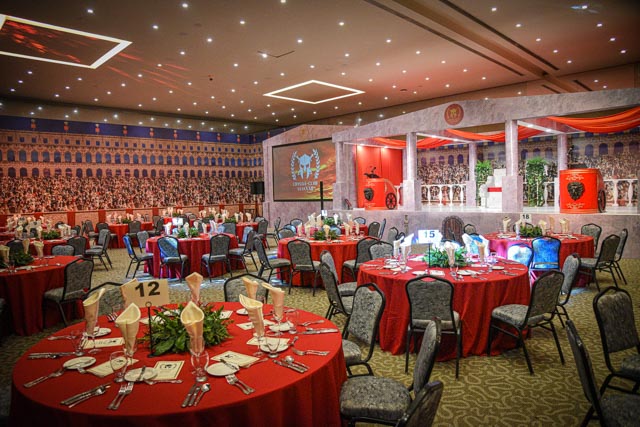
A conference agenda can be flawless on paper and still lose momentum when the general session audio drops, guest transfers run behind, or a gala dinner arrives without enough service staff. The search for event service suppliers Mexico planners can rely on is therefore not a secondary task after booking the venue. It is a core part of protecting the guest experience, budget, and reputation of the program.
Mexico offers exceptional options for meetings, incentives, conferences, and destination celebrations, but supplier quality and operating conditions can vary by destination. The most effective sourcing process balances creative ideas with practical confirmation: capability, communication, local knowledge, insurance, staffing, and contingency planning.
Start with the event outcomes, not a supplier category
It is tempting to begin with a search for an AV company, caterer, entertainer, or transportation provider. Start one step earlier. Define what attendees must experience and what operations must accomplish. A leadership meeting may require broadcast-quality video, discreet executive transportation, and tight load-in windows. An incentive program may place greater value on off-site dining production, destination activities, guest hospitality, and bilingual staffing.
This distinction matters because two suppliers can offer the same category of service while being right for entirely different programs. A production partner that excels at a 1,000-person general session may not be the best fit for a high-touch executive dinner. Likewise, a caterer with an impressive banquet menu needs enough staffing, equipment, and venue familiarity to serve your group on schedule.
Before requesting proposals, document attendee count, program dates, venue status, floor plans, service hours, setup and strike windows, budget parameters, and decision deadlines. Include non-negotiables such as English-speaking project management, branded registration, dietary requirements, ground transportation capacity, or hybrid-event support. Suppliers respond more accurately when the brief is specific.
Event service suppliers in Mexico: the capabilities to verify
A polished proposal is useful, but it should lead to a deeper operating conversation. Ask suppliers to explain how they will deliver the scope, who will be on site, and what happens if conditions change. For international planners, this is especially valuable when a program is being produced from a distance.
Production, AV, and technical services
Confirm the equipment list, backup inventory, labor schedule, rehearsal timing, internet responsibilities, and power requirements. If presenters are joining remotely, ask who owns platform management, speaker testing, recording, and live troubleshooting. For outdoor functions, clarify weather protection, generator access, sound restrictions, and the point at which a weather decision must be made.
Technical proposals should also identify whether the quoted team includes a dedicated show caller, audio engineer, lighting operator, video engineer, and stagehands. A single point of contact can simplify communication, but the on-site staffing plan must match the complexity of the program.
Catering, decor, and guest experience partners
For food and beverage, review more than menus and per-person pricing. Ask about tasting options, service ratios, dietary accommodation procedures, kitchen access, rental needs, and the supplier's experience at your selected venue. Confirm whether tax, service charges, corkage, delivery, and staffing are included or quoted separately.
Decor, floral, entertainment, and experiential partners should be evaluated through the same operational lens. Creative concepts need realistic load-in plans, venue approvals, safety standards, and a clear ownership of permits where applicable. A striking design is only valuable when it can be installed on time and removed without affecting the next day's meeting schedule.
Transportation, staffing, and destination support
Transportation becomes more complex when arrivals are spread across multiple flights, hotels, and terminals. Ask for vehicle types, luggage capacity, dispatch processes, bilingual host coverage, flight monitoring, emergency contacts, and procedures for delayed arrivals. For large groups, request a routing plan rather than accepting a simple vehicle count.
Event staffing partners can support registration, hospitality desks, directional guidance, room monitoring, and VIP movement. Confirm language capabilities, uniform standards, briefing time, supervisor ratios, and how last-minute schedule changes reach every team member. Reliable staffing is often what makes a complex program feel calm to attendees.
Evaluate local expertise without assuming every destination works the same way
Mexico is not one uniform event market. Sourcing in Mexico City may involve dense schedules, traffic management, and broad supplier choice. Programs in Los Cabos or Puerto Vallarta may require closer coordination around airport transfers, resort access, and off-site logistics. In Mérida, Oaxaca, or San Miguel de Allende, the strongest local partners may bring meaningful regional knowledge, but advance planning for availability and transportation remains essential.
Local expertise should be measurable. Ask how often the supplier works at your venue, which comparable group sizes they have supported, and whether they have handled your program format before. Request examples relevant to your needs, such as a multi-day conference, incentive arrival operation, board meeting, or ticketed special event.
At the same time, local does not automatically mean ideal. A supplier may know the destination well but lack the account structure or inventory needed for a national association meeting. Conversely, a larger supplier may have extensive production resources but rely on local subcontractors. Neither model is inherently better. What matters is transparency about who is responsible for each part of delivery.
Compare proposals on scope, not just the total
The lowest number can conceal exclusions that later become change orders. Normalize proposals before comparing them. Put every quote against the same event brief and check whether labor, taxes, transportation, equipment, administrative fees, overtime, setup, strike, and contingency equipment are included.
Use a comparison sheet that captures at least these details:
- Exact deliverables and quantities, including brands or specifications where relevant
- On-site team roles, service hours, and overtime rates
- Venue coordination, permits, rentals, and third-party costs
- Deposit schedule, cancellation terms, and payment method
- Backup procedures for weather, equipment failure, delayed transportation, or staffing gaps
This process also exposes vague language. Terms such as “as needed,” “standard package,” or “full support” should be clarified before contract review. Ask for assumptions in writing, particularly when requirements depend on a site inspection, final agenda, or changing guest count.
Build an RFP that encourages better answers
A strong RFP helps qualified suppliers respond efficiently and makes side-by-side evaluation easier. Give providers enough context to suggest solutions, but do not force every supplier into an overly rigid format before they understand the program.
State the event objective first, then provide dates, destination, venue or venue shortlist, attendee profile, expected attendance, schedule, scope, budget guidance, and proposal deadline. Identify the decision-maker and the preferred communication process. If several partners will need to coordinate - such as AV, decor, catering, and entertainment - make that expectation visible from the beginning.
For time-sensitive programs, ask suppliers to flag any availability risks immediately. This is more useful than receiving a detailed proposal days later only to learn that key equipment, talent, or vehicles are already committed. A responsive supplier will ask thoughtful questions early, not simply return a generic package.
Create one accountable supplier communication path
Once you select partners, establish a practical cadence: a kickoff call, a shared production timeline, regular status checks, and a final operational review. Confirm who can approve changes, who manages the venue relationship, and who has authority on site. This prevents conflicting instructions during setup and protects the planner from becoming the only communication bridge.
A Mexico-focused directory can reduce the fragmented research that often slows this process. Mexico Venue Finders helps planners compare vetted venue options and connect with suppliers by destination, giving teams a more organized starting point for proposals and local coordination.
The best supplier relationships are built before the load-in begins. Give partners a clear brief, ask direct operational questions, and choose teams that communicate with the same care they bring to the event floor. That preparation gives your attendees the confidence to focus on the program, while you stay in control of the details behind it.