How to Choose Conference Hotels in Mexico
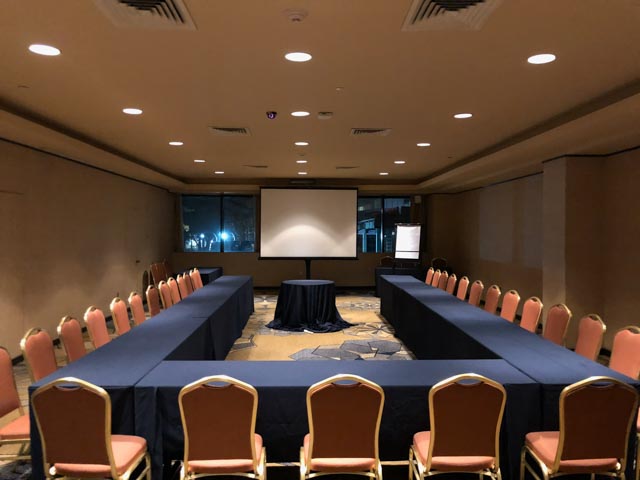
A hotel can look ideal on a proposal and still create friction once the program is underway. For planners sourcing conference hotels in Mexico, the real question is not simply whether a property has a ballroom. It is whether the hotel can support the way your attendees arrive, meet, recharge, move between functions, and experience the destination.
Mexico offers exceptional choices for corporate meetings, association programs, incentive events, and conferences. The strongest venue decision comes from matching a property's operational details to your agenda, audience, and destination priorities before an RFP goes out.
Start With the Program, Not the Property
A productive hotel search begins with a clear view of the event itself. Define your anticipated attendance, room block, peak-night pattern, meeting dates, and core program format. A three-day leadership meeting needs something very different from a multi-track association conference or an incentive program with hosted evening events.
Consider the sessions that matter most. If general sessions, breakouts, exhibitor activity, and meals must operate at the same time, the total amount of meeting space is only part of the equation. You also need to understand how that space is distributed. A hotel with 25,000 square feet of function space may be a strong fit for one program and a poor fit for another if rooms are separated by long corridors, different floors, or outdoor paths affected by weather.
Ask what must happen concurrently and what can be staged. That distinction helps identify whether you need a large convention-style hotel, a resort with flexible indoor and outdoor venues, or a more intimate property with a focused executive meeting floor.
Evaluate Meeting Space as a Working Environment
Floor plans reveal more than capacity. They show how easily attendees and staff can navigate the program. Review room dimensions, ceiling heights, permanent fixtures, loading access, and the proximity of breakout rooms to the general session.
Look Beyond Ballroom Capacity
A ballroom capacity chart does not explain whether sightlines work for your stage set, whether rigging is available, or whether the room can accommodate theater seating, production, and aisle requirements at the same time. For conferences with content-heavy general sessions, ceiling height, technical access, and rear-of-room space can be as important as the published square footage.
Breakouts deserve equal attention. Small rooms that are too narrow, too distant, or irregularly shaped can affect session flow and attendee satisfaction. If your agenda includes board meetings, speaker ready rooms, VIP hospitality, staff offices, or private sponsor appointments, account for those spaces early rather than treating them as last-minute requests.
Test the Attendee Flow
Walk the program in sequence, even while reviewing plans remotely. Where will attendees register? How will they move to the first session? Is there enough foyer space for coffee breaks, sponsor displays, and informal networking without creating congestion?
This exercise is especially useful for properties with multiple event wings. A layout that works well for a single ballroom meeting can become challenging when several hundred guests are rotating among concurrent sessions. The best conference hotels make it easy for attendees to understand where they need to be next.
Match Guest Rooms to Your Group's Needs
A favorable guest room rate does not automatically mean the room block is operationally strong. Ask about the number of rooms available in your dates, the mix of room categories, and whether attendees will be placed across more than one tower or section of the property.
For a conference program, keeping the majority of guests close to meeting space can improve attendance and reduce late arrivals. At a large resort, golf carts, shuttles, or walking routes may be part of the experience, but they should be factored into the agenda. A 15-minute transfer can have a meaningful impact on a 7:30 a.m. breakfast briefing.
Also review accessible room inventory, suites for executive hosting, and any special room requirements for speakers or production teams. If the program brings international attendees, verify check-in procedures, early-arrival options, luggage storage, and the hotel's capacity to handle a concentrated arrival window.
Choose the Right Mexican Destination for the Event
Destination selection should support the business purpose, not compete with it. Mexico City can be a practical choice for large conferences requiring strong air access, broad hotel inventory, and proximity to corporate offices. Cancún, Riviera Maya, Los Cabos, and Puerto Vallarta can add a stronger resort setting for incentive-oriented meetings, leadership programs, or events where hosted experiences are central to attendance.
Mérida, Oaxaca, San Miguel de Allende, Querétaro, and Guadalajara can offer distinct cultural character and memorable offsite possibilities, depending on group size and travel patterns. The best fit depends on where attendees are traveling from, how much transfer time the agenda can absorb, and whether the program benefits from an urban convention setting or a destination-led experience.
Airlift deserves close attention. Review direct flight options from your key US gateways, arrival schedules, airport-to-hotel transfer times, and contingency plans for groups traveling through connections. A destination may offer a compelling venue value, but it can become less attractive if the travel day is too long for a short program.
Confirm Technology, Production, and Service Capabilities
Wi-Fi should be evaluated as event infrastructure, not as a standard amenity. Ask for dedicated bandwidth options, expected device capacity, coverage in meeting rooms and outdoor venues, and the process for supporting hybrid presenters, streaming, event apps, or high-volume registration activity.
Production requirements should be discussed with the hotel early. Some properties have capable in-house audiovisual partners, while others allow outside production teams under specific access, labor, or power policies. Neither approach is inherently better. The key is understanding the cost structure, load-in timeline, technical standards, and responsibilities before selecting a venue.
Service capability matters just as much. Ask whether the hotel has experience with your event type and group profile. A property that regularly hosts complex conferences is more likely to understand room turns, meal timing, registration pressure points, executive protocols, and the pace required by a detailed run of show.
Build Food and Beverage Around the Agenda
Food and beverage is often where attendee experience becomes most visible. Review not only menu options and pricing, but also service locations, meal windows, dietary accommodations, and the hotel's ability to avoid bottlenecks.
A plated lunch may work well for an executive audience with a structured schedule. For a large conference with limited transition time, buffet stations or varied grab-and-go options may keep the program moving more effectively. In Mexico, menus can also be an opportunity to create a sense of place through regional flavors, provided the offering remains practical for the group and inclusive of dietary needs.
For receptions and dinners, ask about sound restrictions, weather backup options, transportation needs, and ending times. Outdoor venues can be compelling, especially in coastal destinations, but every outdoor function needs a credible contingency plan that does not feel like an afterthought.
Compare Costs With the Full Program in View
The lowest sleeping room rate can mask higher expenses elsewhere. Compare meeting room rental, food and beverage minimums, service charges, taxes, resort or destination fees, Wi-Fi, audiovisual, porterage, transfers, and any costs connected to outside suppliers.
It is also wise to examine concession value. Complimentary rooms, upgrades, meeting Wi-Fi, staff offices, waived rental, or flexible attrition terms can materially affect the total program budget. The right negotiation priorities depend on the event. A room-heavy incentive may benefit most from upgrades and concessions, while a content-driven conference may place greater value on meeting space, bandwidth, and production support.
Ask for proposals in a format that makes comparison straightforward. If each hotel presents costs differently, normalize the information before presenting options to stakeholders. This gives decision-makers a clearer view of the actual investment rather than a misleading headline rate.
Source With Local Confidence
Finding the right hotel is easier when venue research is organized by destination, event type, and operational requirements. Mexico Venue Finders helps planners compare vetted venues and connect with event suppliers in one Mexico-focused planning resource, reducing the need to piece together information from fragmented local searches.
As you narrow the field, prioritize a site inspection whenever the program size, production level, or financial commitment warrants it. Use the visit to validate the practical details that photos cannot show: walking distances, back-of-house access, acoustics, room condition, staff responsiveness, and the feel of the attendee journey.
The best conference hotel is not necessarily the largest property or the one with the most dramatic setting. It is the hotel that gives your team enough space to execute, your attendees an easy experience, and your program a destination worth remembering.