Mexico Conference Hotels for Better Events
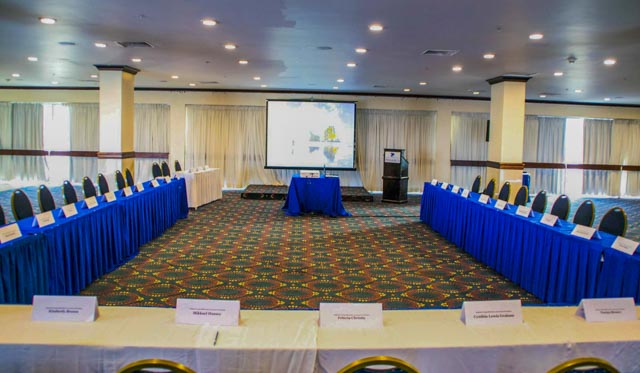
A conference hotel can look ideal in a proposal and still create friction once agendas, arrivals, meal functions, and production schedules begin to overlap. That is why sourcing Mexico conference hotels requires more than comparing room counts and ballroom square footage. The right property must support the way your group will actually move, meet, work, and experience the destination.
For US planners, Mexico offers a wide range of hotel-based conference options, from large beachfront resorts built for incentive programs to city-center properties designed around association congresses and executive meetings. The best choice depends on program priorities: attendance profile, air access, meeting format, budget, dates, and the level of destination experience you want guests to have outside the meeting room.
Start With the Event, Not the Destination
A destination may be popular with stakeholders, but the hotel must still fit the program. Begin by defining the non-negotiables: anticipated peak room block, general session capacity, breakout requirements, exhibit or sponsor needs, food and beverage schedule, and production expectations. A 300-person leadership meeting with small working sessions has a different hotel profile than a 1,000-person annual conference with concurrent education, a trade floor, and evening functions.
Also clarify whether the event needs to be fully contained at one hotel. A single-property program can simplify transportation, communication, and staffing, particularly for short conferences or groups with a full agenda. On the other hand, an overflow plan or nearby partner hotel may be practical in destinations where the preferred hotel has strong meeting space but limited inventory during high-demand dates.
The most useful RFPs explain how the space will be used, not just how many square feet are requested. Include your preliminary agenda, ceiling-height needs, preferred room sets, loading requirements, meal periods, outdoor-event plans, and any accessibility considerations. This gives hotel teams a stronger basis for proposing a workable flow.
Choose a Mexican Destination That Supports Attendance
Mexico is not one conference market. Airlift, transfer times, climate, venue inventory, and off-site options vary significantly by destination. Selecting the city or resort area should be a business decision as much as an experiential one.
Mexico City and Guadalajara for citywide scale
Mexico City is often a strong fit for national meetings, association conferences, executive programs, and events that benefit from broad flight connectivity and extensive hotel inventory. Its scale supports a wide range of budgets and formats, though planners should pay close attention to airport-to-hotel transfer times and the neighborhood surrounding the property.
Guadalajara combines major-city infrastructure with a distinctive cultural setting. It can be a compelling option for conferences that need reliable hotel inventory, larger meeting facilities, and an authentic off-agenda experience. As with any urban program, confirm where attendees will stay, where functions will take place, and how transportation will be managed between them.
Cancún, Los Cabos, and Puerto Vallarta for resort programs
For programs where attendee experience is central, resort destinations can deliver strong value. Cancún and the Riviera Maya offer deep resort inventory, airport access, and a range of meeting environments. Los Cabos is particularly suited to high-touch incentive and executive events, although air schedules, rates, and the distance between airport and resort should be considered early.
Puerto Vallarta offers a blend of resort convenience, oceanfront settings, and a more established town atmosphere. It may suit conferences that want a polished hotel meeting environment without making the entire program feel contained within a resort campus.
The trade-off is that resort destinations can have pronounced seasonal demand, weather considerations, and buyout activity. Dates that look attractive on a calendar may overlap with holiday periods, major groups, or local conditions that affect pricing and availability.
Mérida, Oaxaca, and other distinctive markets
Mérida, Oaxaca, Campeche City, Chiapas, Cozumel, and Tulum can provide a memorable setting for smaller conferences, leadership retreats, weddings, and special programs. These destinations reward planners looking for character, culture, cuisine, and a stronger sense of place.
They can also require more careful operational planning. Hotel inventory may be more limited, flights may involve connections, and larger production or entertainment needs may call for early coordination with local suppliers. For the right group, that extra planning can create a program guests remember well after the final session.
Evaluate the Hotel as an Operating Environment
Once you have a viable destination, look beyond the headline ballroom. Mexico conference hotels should be evaluated as complete operating environments, where guest rooms, meeting space, service teams, technology, and logistics work together.
Start with the relationship between the sleeping rooms and the function space. Is the general session close to breakouts? Can registration be positioned without blocking guest circulation? Is there adequate pre-function space for sponsor displays, networking, and coffee breaks? A hotel with enough total space can still be a poor fit if the rooms are spread across multiple levels or if attendee flow creates bottlenecks.
Ceiling height and rigging access matter for general sessions, awards programs, and branded environments. Ask about permanent fixtures, load-in routes, freight elevator dimensions, dock availability, storage, and restrictions on outside audiovisual or décor partners. These details influence both production feasibility and cost.
Food and beverage planning deserves equal scrutiny. Consider whether the hotel can serve your group within the available meeting schedule, accommodate dietary needs, and provide variety over multiple days. For a resort conference, assess the relationship between hosted functions and the property’s regular restaurant operations. For a city hotel, determine whether off-site dining can be part of the guest experience without adding unnecessary transportation complexity.
Ask Better Questions About Guest Experience
The guest experience begins before check-in. Confirm expected airport transfer time by daypart, whether group transportation can stage easily, and what arrival experience attendees will have after a long flight. This is especially relevant in large resort corridors and busy urban districts.
At the hotel, look at room categories, renovation status, accessibility features, Wi-Fi performance in both guestrooms and meeting areas, fitness and wellness amenities, and the availability of quiet spaces for informal work. If senior leaders, international attendees, or spouses are part of the program, their needs may influence the property decision as much as the meeting specifications.
Do not assume that an all-inclusive resort is automatically the most economical option. It can offer predictable attendee costs and simplify hosted meals, but planners should compare inclusions carefully. Review what is covered for group events, whether premium venues or menu upgrades carry separate charges, and how outside experiences will be priced. A traditional hotel may provide more flexibility for a program that relies on off-site dinners, local activations, or independent attendee schedules.
Build Local Support Into the Sourcing Process
A hotel is one part of the event ecosystem. Many Mexico programs also require destination management, transportation, audiovisual production, entertainment, catering, décor, tours, security, translation, or specialty experiences. Confirm early which services the hotel provides directly, which it recommends, and where you have flexibility to select your own partners.
Local supplier knowledge is particularly valuable when the program includes an off-site event. A beautiful restaurant, hacienda, beach club, or cultural venue may need additional power, weather backup, transportation coordination, permits, or guest management. The right local team helps turn an appealing concept into an executable event plan.
Mexico Venue Finders helps planners compare destinations, discover venue options, and connect with event service suppliers in one Mexico-focused search process. That focused approach can reduce the time spent moving between general directories, individual hotel sites, and unfamiliar local contacts.
Compare Proposals for Fit, Not Just Price
A lower rate is meaningful only if the proposal supports the full program. Compare concessions, attrition terms, resort or destination fees, meeting rental, food and beverage minimums, staff service charges, taxes, Wi-Fi, porterage, audiovisual policies, and transportation assumptions. Request clarity on what is estimated, what is guaranteed, and what can change with final attendance.
It also helps to score each property against the priorities agreed on by your stakeholders. A simple comparison can weigh meeting functionality, room product, flight access, guest experience, commercial terms, local support, and risk factors. This keeps the decision grounded when a visually impressive property does not meet the operational needs of the event.
When possible, schedule a site inspection with a working agenda in hand. Walk the attendee journey from arrival to registration, general session, meals, breakouts, evening events, and departure. Ask the hotel team to explain how they would staff peak moments and handle a weather shift, delayed arrivals, or a last-minute room change.
The best conference hotel is not simply the largest or most luxurious option. It is the property that lets your attendees focus on the program, gives your team room to execute confidently, and makes the destination feel like a purposeful part of the event.