Mexico Event Venue Directory for Smarter Sourcing
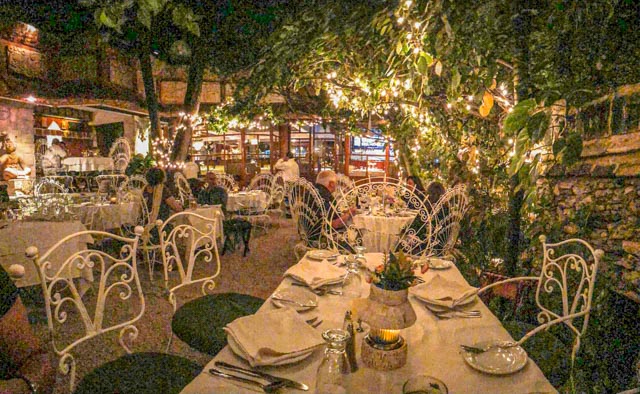
A Mexico event venue directory should do more than show attractive photos and a contact form. For planners sourcing a corporate retreat in Los Cabos, an association conference in Mexico City, or a destination wedding in Riviera Maya, the real need is a faster path from initial criteria to qualified local options. That means finding spaces that fit the program, understanding the destination context, and identifying the suppliers required to execute with confidence.
Mexico offers extraordinary range, but that range can complicate procurement. A beachfront resort may be ideal for a high-touch incentive but poorly suited to a meeting requiring multiple breakout rooms. A historic venue may create the right guest experience while adding transportation, production, or weather considerations. The right directory helps planners compare those variables before valuable time is spent chasing incomplete information.
What Mexico Mexico Venue Finders Can Help You Solve
Venue sourcing is rarely only about room count and square footage. Professional planners are balancing attendance forecasts, preferred dates, air access, budget parameters, program flow, accessibility, F&B expectations, and the experience guests will remember. When the event is outside a planner's home market, local operating knowledge becomes equally important.
A focused Mexico event venue directory brings those decisions into one search process. Rather than moving between general travel sites, local searches, and disconnected supplier lists, planners can begin with the destination and event type, then narrow the field using practical criteria. This approach is particularly useful when a client says, “We want Mexico,” but has not yet chosen a region or city.
The best starting point is a clear sourcing brief. Define the program's non-negotiables: estimated guest count, meeting and sleeping-room needs, date flexibility, budget range, arrival pattern, and desired event atmosphere. Then identify preferences that may be flexible, such as an oceanfront setting, off-site dinner venue, or all-inclusive option. A directory can help reveal where those priorities align and where trade-offs may be necessary.
Start With the Destination
Mexico is not a single event market. Each destination brings a distinct combination of access, inventory, culture, climate, supplier depth, and group experience. Choosing the right location early can reduce the number of properties that require detailed review.
Beach Destinations for Incentives and Social Programs
Cancún, Los Cabos, Puerto Vallarta, Cozumel, Acapulco, and Tulum are frequent choices for incentive travel, executive retreats, weddings, and celebratory events. These markets can offer resort infrastructure, scenic backdrops, and strong opportunities for outdoor programming. They also require close attention to seasonality, airport lift, transfer times, and rain plans.
For example, a program centered on beach activities and resort downtime may favor a property with a broad on-site offering. A group that wants a more design-forward, intimate setting may find a better match in Tulum or selected boutique properties, but should confirm capacity, load-in conditions, and backup space. The destination experience matters, but the event must still function operationally.
Urban and Cultural Destinations for Meetings With Substance
Mexico City and Guadalajara are compelling choices for conventions, corporate meetings, and association programs that need substantial hotel inventory, flight connectivity, and flexible meeting space. They also make it easier to build cultural experiences around culinary programming, museums, neighborhoods, and local entertainment.
Mérida, Oaxaca, Campeche City, and Chiapas can be especially strong for groups seeking heritage, architecture, and a sense of place. These destinations may be a fit for smaller conferences, executive programs, weddings, and incentive experiences where the setting is part of the agenda. The trade-off can be fewer large-scale venue options or more detailed transportation planning, which is why comparing local venues and suppliers together is valuable.
Compare Spaces Based on Program Flow
A venue can meet a capacity requirement and still be the wrong setting for the agenda. A productive comparison looks at how attendees will move through the full program, from airport arrival through the final reception.
For conferences, review general-session capacity, breakout configuration, ceiling heights, registration space, exhibit potential, loading access, and dedicated F&B areas. Ask whether meeting rooms are clustered or separated across a large property. That distinction affects signage, staffing, attendee flow, and the time needed between sessions.
For weddings and special occasions, consider ceremony-to-reception transitions, privacy, guest transportation, music limitations, and late-night options. A remarkable terrace may work perfectly for a welcome reception but not for a full dinner if the weather changes. Similarly, a ballroom can provide certainty, while an outdoor venue may deliver a more memorable atmosphere. Neither choice is automatically better. It depends on the priorities of the hosts and guests.
For incentive programs, assess how easily the venue supports different energy levels. Participants may need a polished awards dinner one evening, an active excursion the next morning, and relaxed free time afterward. Resorts, private venues, and off-site locations should be evaluated as a connected program rather than isolated selections.
Source Suppliers Alongside the Venue
The venue is the foundation, but it is not the entire event. A directory that includes reliable suppliers can shorten the time between selecting a destination and shaping a workable program. Caterers, entertainment providers, transportation teams, production partners, floral designers, photographers, and destination specialists all influence the guest experience and the final budget.
Local supplier discovery is especially useful when an event requires something beyond a standard hotel package. Perhaps the client wants a regional tasting menu, a live cultural performance, an elevated welcome amenity, or a branded beach activation. Venue teams can offer recommendations, but planners benefit from being able to research qualified options independently and build a broader sourcing plan.
Supplier selection should be tied to the event objectives. A gala dinner may need a production partner with experience managing lighting, staging, power, and timing in a historic setting. A wedding may need a team that understands local permitting, ceremony logistics, and guest transportation. For every supplier, confirm scope, availability, language capabilities, insurance requirements, payment terms, and experience with groups of comparable size.
We would like to see your RFPs
A directory is most useful when it leads to a sharper request for proposal. Generic RFPs create generic responses, making it harder to compare options. Once a shortlist begins to emerge, tailor each inquiry with the information venues and suppliers need to respond accurately.
Include your dates and flexibility, anticipated attendance, room block if applicable, meeting-space schedule, F&B needs, destination activities, and decision timeline. Be direct about priorities. If ocean views are essential, say so. If budget is fixed, state the target range. If the program cannot operate without three concurrent breakouts, identify that requirement early.
It also helps to ask operational questions that uncover differences between properties. Are there exclusive vendor policies? What indoor backup options are available for outdoor functions? Is there a resort fee or destination fee? How are group arrivals handled? What are the noise curfews, labor rules, and production limitations? Clear questions protect the planning process from assumptions that can become costly later.
Build a Shortlist You Can Defend
A useful shortlist is not simply a collection of attractive properties. It is a set of options that each meets the essential program needs, with clear distinctions among them. One venue may lead on meeting capacity, another on guest experience, and a third on overall value. Document those strengths and limitations before presenting recommendations to stakeholders.
Create a consistent evaluation framework across every option. Compare total estimated cost, dates, guest room offering, meeting fit, access, supplier availability, destination appeal, and operational risks. This keeps a dramatic site visit or impressive sales presentation from outweighing the fundamentals.
Mexico Venue Finders supports this process by bringing Mexico-specific venue and supplier discovery into one organized resource. Planners can search by destination, identify relevant event spaces, and connect with service partners without starting from a fragmented collection of local directories.
The strongest sourcing decisions leave room for both practical requirements and the human side of the event. Choose a setting that makes arrival easy, meetings productive, and shared experiences worth talking about after guests return home. When the venue, destination, and local team support the same goal, Mexico becomes more than the event location - it becomes part of the program's success.
If you are a meeting planner considering Mexico for your next conference, corporate meeting, incentive program, retreat, or special event, I invite you to make MexicoVenueFinders.com part of your sourcing process.