Mexico Site Inspection Checklist for Event Planners
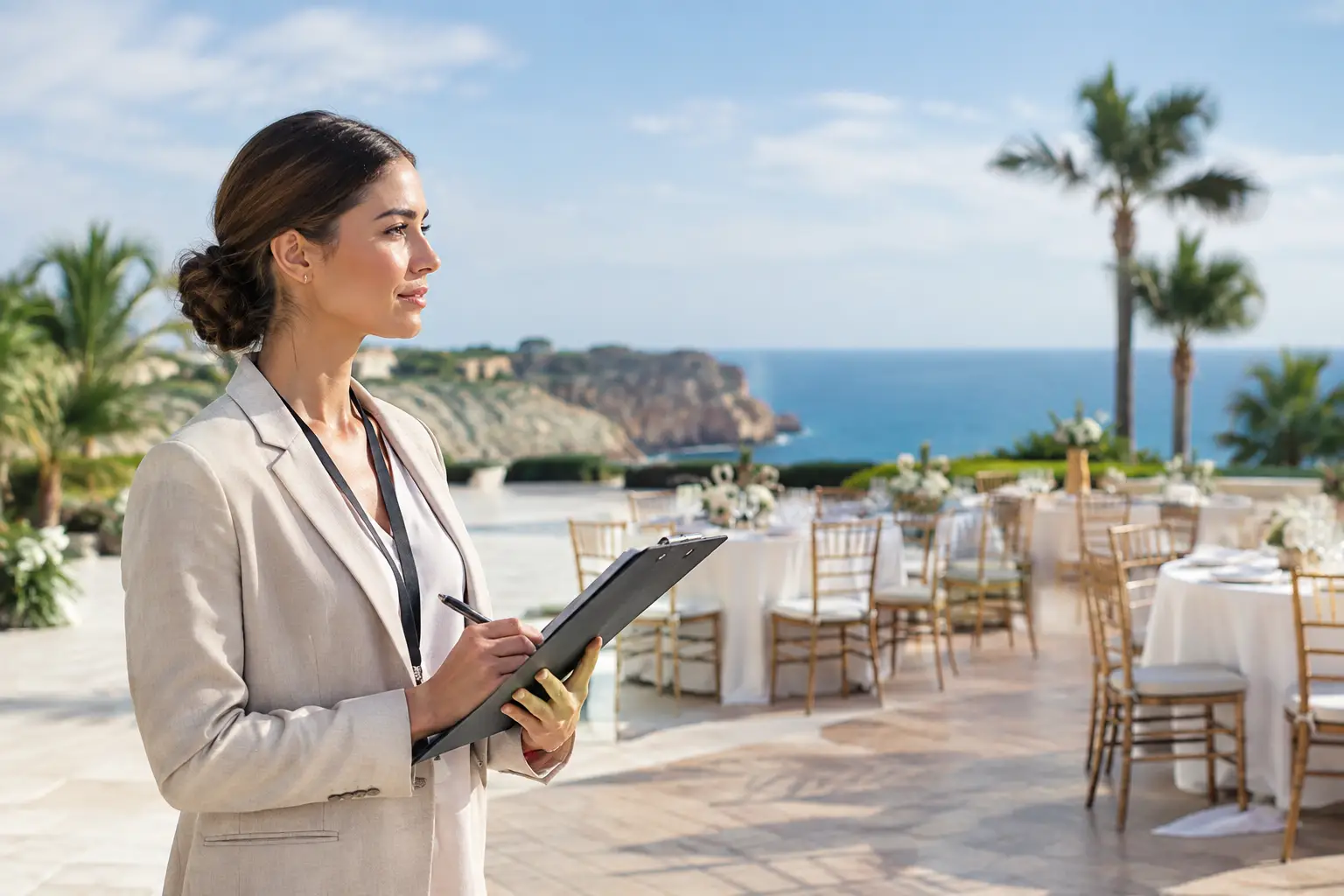
A Mexico site inspection checklist turns a promising venue search into a defensible event decision. Photos, floor plans, and proposal packages can narrow the field, but they cannot show how guests will move from the airport; where registration backs up; whether the ballroom feels right at your actual attendance, or how the local team performs under pressure. For meetings, incentives, conferences, and destination celebrations, a site inspection is where the operational details become visible.
The goal is not to inspect every square foot of a property. It is to confirm that the venue, destination, and supplier plan can support the program you are designing - within your budget, timeline, and service expectations. Use this framework to keep the visit focused and ensure each stakeholder returns with the information needed to make a clear recommendation.
The Program
Before arriving, send the venue a working agenda, anticipated room block, preliminary event specifications, and your priority questions. Ask for the proposed function-space diagram and a schedule that shows each room in use. A ballroom may meet the capacity requirement on paper while becoming impractical once staging, cameras, buffet lines, interpretation booths, sponsor displays, or social seating are added.
Define what is non-negotiable before the visit. For one group, it may be a general session room without obstructed sightlines. For another, it may be a beachside reception that remains easy to access for guests with mobility needs. A leadership retreat may prioritize privacy, while a large conference may need efficient loading access and multiple breakout rooms on the same level.
Bring the people who can evaluate their areas of responsibility. That often includes the lead planner, a production or AV representative, a hotel sourcing stakeholder, and, when appropriate, a destination management partner. Too many attendees can slow the inspection; too few can leave critical assumptions untested. The right group depends on the scale and complexity of the program.
Site Inspection Checklist: Arrival and Destination Access
Begin where your attendees will begin. Review the airport journey at the approximate time your group will travel, not only during a quiet midweek window. Ask the venue or local partner about typical transfer times, peak arrival patterns, group transportation staging, and the contingency plan when flights are delayed.
In destinations such as Cancún, Los Cabos, Mexico City, Puerto Vallarta, and Mérida, air access can be a major sourcing advantage, but airport proximity alone is not the full story. Confirm the route between the airport, hotel, off-site venues, and any planned activities. Note road conditions, travel-time variability, restroom stops, vehicle access, and whether coaches can safely stage near each venue entrance.
Evaluate the guest experience from curb to check-in. Is there a covered arrival point? Can luggage, VIPs, and group transportation be handled without creating a bottleneck? If several groups are arriving on the same day, ask where your attendees will be directed and who will manage the flow.
Inspect Guest Rooms and Function Space in Event Conditions
Do not limit the guest-room review to the best available model room. Request a cross-section of room categories, including accessible rooms and the rooms likely to be assigned to your group. Check distance from elevators, noise exposure, lighting, storage, work surfaces, bathroom layouts, and the quality of in-room Wi-Fi. If your program includes executives or speakers, inspect the proposed VIP accommodations rather than accepting a verbal description.
In function space, walk the actual attendee path: registration, general session, breakouts, meals, receptions, and departure. Stand at the back and sides of the general session room to assess sightlines. Review ceiling height, rigging points, permanent fixtures, power locations, blackout capability, acoustics, and the location of service doors. A room can look polished when empty yet become difficult to manage once production equipment and 500 guests arrive.
For each proposed setup, verify the following operational points:
- The usable capacity after staging, AV control, food and beverage stations, and required aisles are in place.
- The proximity of breakout rooms, restrooms, elevators, and networking areas.
- The ability to reset rooms during the program without disrupting attendees.
- Dedicated registration, speaker-ready, staff office, storage, and secure package-holding space.
- Backup options if weather, a delayed setup, or a last-minute attendance change affects the plan.
Ask to see the space at the same time of day as your key events whenever possible. Sun exposure can change the comfort and visual quality of an outdoor reception. Nearby entertainment, traffic, or property activity can alter the sound environment. For evening events, inspect lighting levels, signage visibility, pathways, and the return route to guest rooms.
Test Technology, Production, and Connectivity
AV and internet should be treated as a site inspection workstream, not a final question at the end of the tour. Meet the in-house AV team or preferred production partner and review the scope against your agenda. Clarify what is included, what is exclusive, and where outside partners may be used. The answer can affect both your production budget and your flexibility.
Request a live Wi-Fi test in the ballroom, breakout rooms, registration area, guest rooms, and outdoor locations under consideration. Ask about dedicated bandwidth, network segmentation, hardline options, redundancy, help-desk support, and the process for adding capacity if registration or streaming demand increases. If hybrid participation is part of the event, identify camera positions, audio feeds, platform requirements, and backup power early.
Also inspect loading access. Confirm dock size, delivery hours, freight elevator dimensions, labor procedures, security requirements, and the distance from loading to the function room. A beautiful venue can still create a costly production plan if equipment must be carried through public areas or installed during restricted hours.
Review Food, Beverage, and Service Standards
Schedule a tasting that reflects the program, not just the venue's showcase menu. Discuss dietary accommodations, service speed, coffee-break replenishment, water stations, late-night offerings, and the presentation style that fits your attendees. For a conference with short transition times, ask how many service points will be available and where lines will form.
Meet the banquet and culinary leaders who would support the program. Their questions often reveal more than a menu does. A prepared team will ask about guest profile, cultural expectations, agenda pacing, VIP needs, and restrictions. Discuss local sourcing, menu flexibility, outdoor service procedures, and the plan for rain or high heat.
Service quality is partly about staffing levels and partly about coordination. Confirm who owns decisions during the event, how the venue communicates with planners, and how issues are escalated after hours. Request examples of how the team has managed a comparable program, while recognizing that no two groups have the same flow or requirements.
Check Safety, Accessibility, and Contingency Plans
A site inspection should give you confidence without assuming every risk can be eliminated. Ask to review emergency procedures, medical response protocols, security coverage, evacuation routes, weather plans, and communication procedures. For outdoor events, identify the trigger point for moving indoors and the exact backup space, not simply a general promise that a solution will be found.
Assess accessibility throughout the attendee journey. Check entrances, elevators, restrooms, seating routes, stage access, transportation loading, and the distance between essential program areas. If an off-site venue is part of the plan, evaluate surfaces, lighting, restrooms, and weather protection with the same discipline you apply to the host hotel.
For destination programs, local knowledge matters. Your partners should be able to explain seasonal weather patterns, citywide events, traffic considerations, and any venue-specific operating limits that could affect your dates. This is where a Mexico-focused resource such as Mexico Venue Finders can help planners compare venues and connect with relevant local suppliers before the inspection agenda is finalized.
Leave With Decisions, Documentation, and Next Steps
Do not wait until the flight home to record findings. Take labeled photos, capture room measurements, mark proposed layouts on floor plans, and document open questions as they arise. At the end of each inspection, hold a short debrief with the venue team. Confirm what they will provide after the visit, including revised diagrams, menus, production estimates, transportation information, and any concessions discussed.
Then evaluate each option against the same criteria: program fit, guest experience, operational feasibility, financial clarity, and team confidence. The lowest rate is not always the best value, particularly if it introduces transportation complexity, production limitations, or costly workarounds. Conversely, a higher-priced venue may justify its position when space flow, service, and infrastructure reduce execution risk.
A strong inspection does more than identify the right venue. It establishes the working relationship that will carry the event from contract to on-site execution. Ask precise questions, test the guest journey, and leave only when the team can show how your program will work in practice.
Mexico Venue Finders is a comprehensive MICE venues directory available in Mexico, offering venue sourcing services since 2009. It caters to major tourist destinations in Mexico, assisting worldwide meetings and event planners who are considering Mexico for their next program.