Mexico Venue RFP Template for Better Bids
A venue proposal can look competitive until you discover the meeting room rental excludes setup, the guest room rate is quoted in a different currency, or the outdoor reception space has a weather backup that does not fit your group. A well-built Mexico venue RFP template prevents those late-stage surprises by giving every property the same clear brief from the beginning.
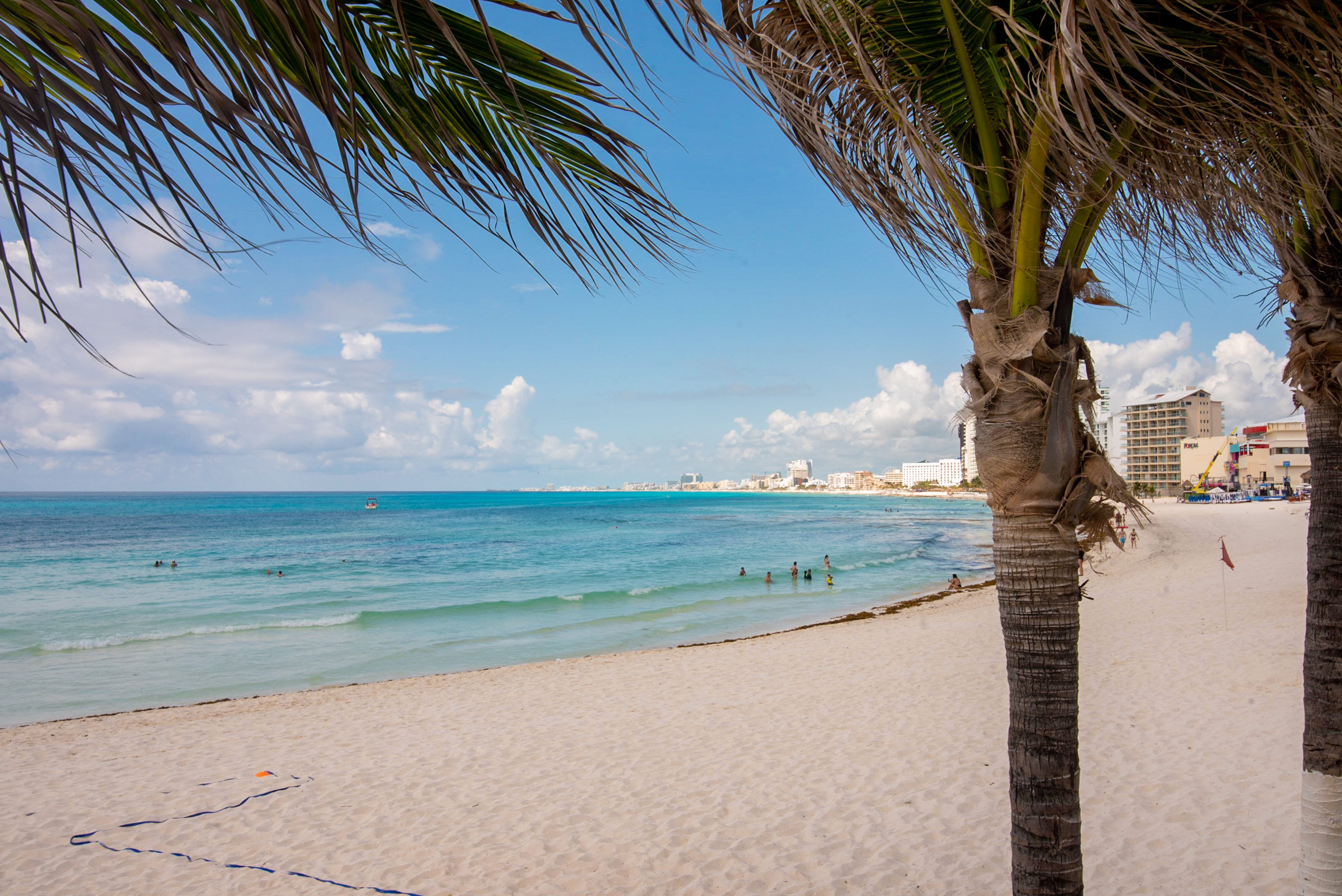
For planners sourcing a conference, incentive program, association meeting, or formal celebration in Mexico, the goal is not simply to collect rates. It is to identify a venue that can support the program design, guest experience, and operating requirements your client expects. The right RFP turns local knowledge into comparable responses, whether you are evaluating a city hotel in Mexico City, a beachfront resort with dedicated event facilities in Cancún, or a distinctive program venue in Oaxaca.
What a Mexico venue RFP template should accomplish
An effective RFP gives venues enough context to assess fit without burying the sales team in unnecessary detail. It should state what is fixed, what is still under review, and where you need their guidance. That distinction matters when availability is tight or when multiple destinations are being considered.
Your template should make it easy to answer four planning questions: Can the venue accommodate the group? Can it support the agenda and production plan? What will the full program cost? And what operational conditions could affect the attendee experience?
Avoid sending a generic global RFP with only dates, room nights, and a ballroom request. Those details establish the baseline, but Mexico programs often require closer attention to ground transportation, airport access, outdoor contingencies, supplier policies, bilingual staffing, and tax treatment. A targeted brief produces a more useful proposal and reduces clarification rounds.
Mexico venue RFP template: the essential sections
1. Event profile and decision timeline
Start with the event name or working title, program type, preferred destination or destination options, and primary planner contact. Then include your estimated total attendance, peak guest room count, arrival and departure pattern, and decision date.
Be specific about whether the dates are firm, flexible by a day or two, or dependent on venue availability. If your group has early arrivals, post-event extensions, or staff dates outside the main program, include them. A property cannot accurately assess inventory from peak nights alone.
Also state the decision process. Let venues know whether you are conducting an initial feasibility review, requesting a formal proposal, or narrowing to finalists for a site inspection. This encourages an appropriately detailed response and lets partners prioritize time-sensitive opportunities.
2. Guest rooms, rates, and concession requests
Request a room block by night, not just a total number of room nights. Note room categories required, anticipated suite needs, accessible room requirements, VIP amenities, and whether attendees will book individually or through a master account.
Ask venues to provide rates in the currency you prefer, while clearly identifying the currency used in their proposal. Request a complete statement of included and excluded charges, including applicable taxes, service charges, resort or destination fees where relevant, and porterage. For a US-based planning team, this clarity makes internal budget review far easier.
Concessions should be tied to your actual priorities. You may need a percentage of upgraded rooms, complimentary staff rooms, Wi-Fi in guest rooms and meeting areas, early check-in support, or a favorable attrition structure. Do not assume every concession carries the same value. A waived meeting room rental may matter more than upgrades if your agenda has significant space needs.
3. Meeting space and program flow
Describe each function by date, time, attendance, layout, and purpose. Include general sessions, breakouts, meals, registration, office space, rehearsals, storage, sponsor displays, executive meetings, and any evening function. A venue needs the full picture to confirm that rooms can be held simultaneously and that the program can flow efficiently.
For each space, request the room name, dimensions, ceiling height, capacity for your proposed layout, rental fee, included furnishings, and setup access times. If you expect scenic outdoor programming, specify the desired setting and ask for the exact rain or high-wind contingency space. The fallback plan should be a viable guest experience, not simply an empty room that happens to be available.
For conferences and production-heavy events, ask about dedicated loading access, freight elevator dimensions, storage, rigging rules, power availability, internet bandwidth, and in-house audiovisual requirements. Some venues require approved suppliers for specific services; others allow outside production partners with coordination fees. Neither approach is automatically better, but it can materially change your budget and timeline.
4. Food, beverage, and hosted experiences
Provide meal counts, service style preferences, dietary needs, and preliminary beverage expectations. Ask for per-person pricing, minimums, menu inclusions, bartender fees, staffing charges, taxes, and service charges. If you need a private reception, gala dinner, or hosted networking event, request a detailed quote for each component rather than a single bundled estimate.
Mexico offers remarkable culinary variety, and a property may be able to create a menu that reflects the destination while meeting corporate standards. Explain any brand requirements, dietary protocols, or timing constraints upfront. Request sample menus, but leave room for the culinary team to recommend locally appropriate options.
5. Logistics, accessibility, and supplier coordination
A compelling venue still needs to work in real operating conditions. Ask for the nearest airport options, approximate transfer times under typical traffic conditions, group arrival handling, parking or motorcoach access, and security procedures. For programs using multiple venues, request practical routing guidance rather than relying only on map distances.
Include any accessibility requirements for attendees and ask the venue to describe accessible routes, guest rooms, restrooms, meeting facilities, and transportation coordination. If you require bilingual event contacts, on-site registration support, destination management services, entertainment, décor, or off-site experiences, ask whether the venue can recommend qualified local suppliers and explain any exclusivity policies.
This is where a Mexico-focused sourcing resource can save considerable time. Mexico Venue Finders helps planners discover venues and complementary event suppliers in the same planning workflow, which is useful when a strong venue proposal still leaves transportation, entertainment, or catering needs to be sourced.
6. Contract, payment, and risk details
Ask for proposed deposit dates, cancellation terms, attrition calculations, allowable pickup review periods, force majeure language, and payment methods. Request clarity on whether rates and fees are quoted before or after taxes, how currency conversion is handled if payment is made in US dollars, and whether credit card processing fees apply.
For a large program, also ask about insurance requirements, security staffing, medical support, emergency procedures, and permits for specialized production or outdoor activity. These questions are not designed to make the RFP feel adversarial. They help both sides identify conditions that need attention before a contract reaches legal review.
Copy-and-use venue RFP request
Use the following as the core of your outreach, then add the detailed agenda and room block as attachments or tables:
> We are requesting a proposal for [event name], a [program type] for approximately [attendance] guests. Our preferred dates are [dates], with flexibility of [number] days if available. We require approximately [peak rooms] guest rooms at peak, with the attached room block and meeting agenda. > > Please confirm availability and provide itemized pricing for guest rooms, meeting space, food and beverage, audiovisual or production services, and any mandatory fees. Please identify quoted currency, taxes, service charges, minimums, concession options, cancellation and attrition terms, and outdoor weather contingency plans where applicable. > > Please also share relevant floor plans, room capacities, sample menus, proposed event contact information, and details on supplier or exclusivity policies. Our target decision date is [date].
The bracketed fields keep the request adaptable, while the pricing and policy language gives every responding venue a consistent framework.
How to compare responses fairly
When proposals arrive, build a side-by-side comparison using the same categories requested in the RFP. Compare total estimated program cost, not just the guest room rate or food and beverage minimum. A lower rate can be offset by meeting room rental, required audiovisual packages, transfers, fees, or less favorable contract terms.
Then assess operational fit. Consider the distance between guestrooms and meeting facilities, the quality of backup space, local arrival logistics, and the responsiveness of the sales and events team. A venue that asks thoughtful questions before proposing may be demonstrating the planning partnership you will need once contracting begins.
The best RFP does more than request a bid. It gives qualified Mexico venues a clear opportunity to show how they will support your event, so you can choose with confidence and move closer to a program your attendees will remember for the right reasons.