How to Source Tulum Private Event Spaces
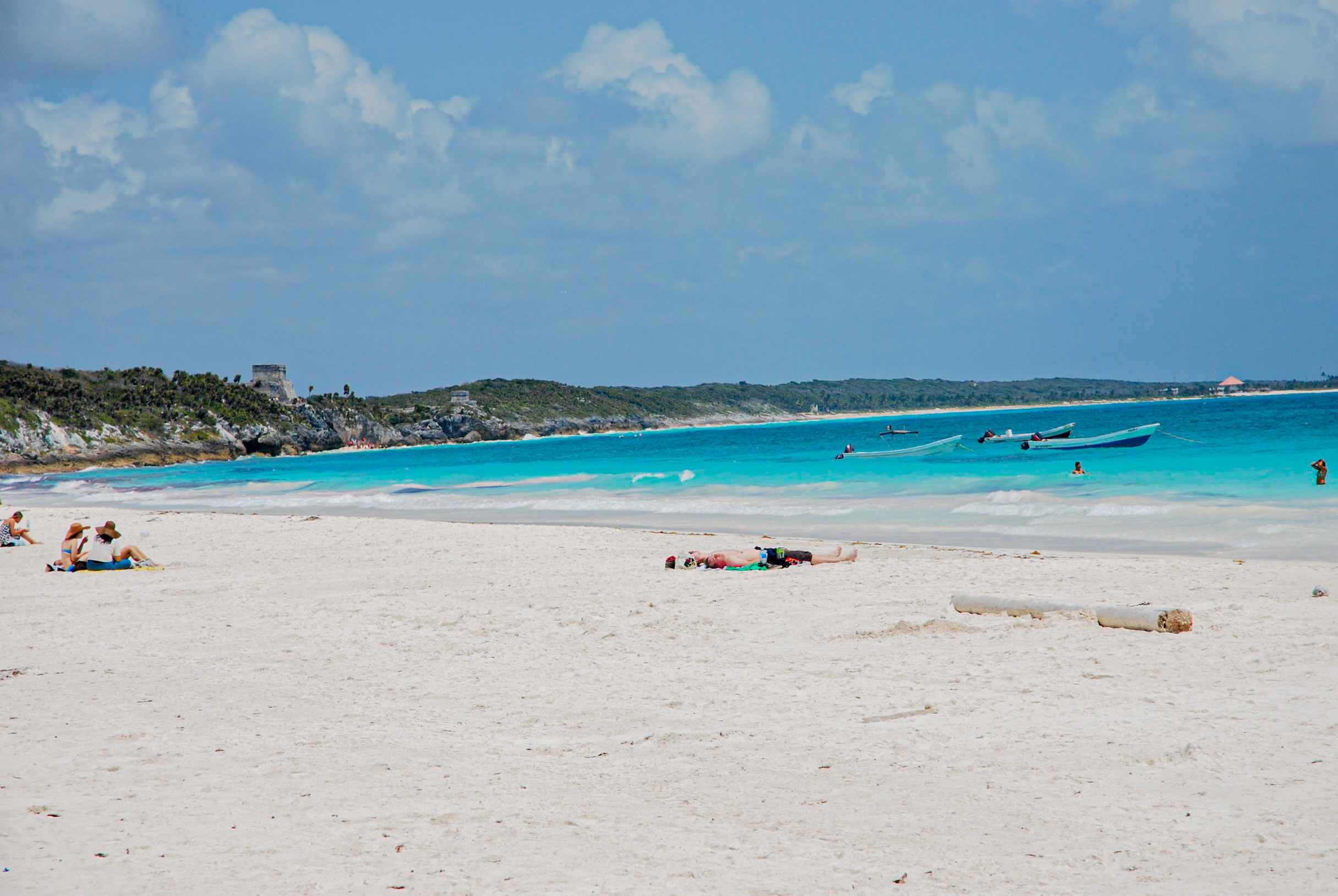
About Tulum...
Tulum has experienced remarkable tourism growth over the past decade, evolving from a small beach town into one of Mexico’s most recognized international destinations. The Mexican government has highlighted Tulum as a strategic tourism hub, investing heavily in infrastructure projects such as the new Tulum International Airport and the Jaguar Park (Parque del Jaguar), which enhance accessibility, protect natural and cultural heritage, and support sustainable tourism development. These investments reflect the government's strong commitment to positioning Tulum as a key driver of tourism and economic growth in southeastern Mexico.
A sunset reception on Tulum’s coast can be a powerful open or closing moment for an incentive program. It can also become the most complicated hour of the agenda if the venue’s access route, noise limits, weather backup, and production rules were not confirmed early. Tulum private event spaces reward planners who look beyond the view and source for operational fit.The destination is especially compelling for executive retreats, incentive groups, brand activations, destination weddings, and special occasions where design and sense of place matter. Its venue inventory ranges from refined boutique hotels and beach clubs to jungle settings, restaurant buyouts, wellness-forward properties, and larger resorts with dedicated meeting infrastructure. The right choice depends less on a venue’s aesthetic category than on how well it supports the specific program you need to deliver.
Start With the Event Flow
Before comparing spaces, map the group’s full movement through the program. A private dinner for 50 guests has different requirements than a three-day leadership meeting with concurrent sessions, a welcome reception, ground transportation, and an off-site closing event. Tulum’s distinctive settings can make a program feel highly tailored, but they may also introduce distance, limited loading windows, and tighter production parameters.
Define the primary function of each event first: plenary meeting, board session, hosted meal, product presentation, awards program, reception, or ceremony. Then identify what must happen immediately before and after it. A beach venue may be exceptional for an evening celebration but impractical for a daytime presentation requiring blackout conditions, dependable climate control, and fast guest transitions.
For multiday programs, ask whether one property can handle sleeping rooms, daytime meetings, and social functions, or whether a split-venue plan is worth the additional transportation coordination. A single-site program generally gives organizers more control over timing. A venue combination can create a stronger destination experience, provided the transfer plan is realistic and the production schedule has room for it.
Compare Tulum Private Event Spaces by Operating Needs
Capacity is the first filter, but it should never be the only one. Request capacities by setup rather than accepting one headline number. A space that seats 120 for a cocktail reception may hold far fewer guests for a plated dinner, classroom meeting, ceremony, or presentation with staging and audiovisual equipment.
Meeting-ready hotels and resorts
Properties with dedicated meeting rooms are often the strongest starting point for conferences, leadership sessions, and incentives with substantive business content. Look for separate space for registration, general sessions, breakouts, office use, and meal functions. Ask whether the meeting space is close to guest rooms and whether the property can hold a rain backup without displacing another group.
The trade-off is that the most operationally efficient room may not deliver the visual impact your client expects from Tulum. Many successful programs address this by keeping daytime business events at the host hotel area and reserving one distinctive off-site venue (if that is the case) for a reception or final-night dinner.
Beachfront venues and beach clubs
Beachfront spaces create immediate arrival impact and work well for receptions, hosted dinners, celebrations, and select activation formats. They require closer scrutiny than conventional ballroom venues. Confirm the usable footprint at the planned event time, tide considerations where relevant, surface conditions for dining and entertainment, and whether the venue has a protected indoor or covered alternative.
Also confirm curfews, amplified sound policies, generator access, lighting restrictions, and the point at which vendors can begin load-in. A venue may be private for your guests while still operating near neighboring hotels or public beach activity. The distinction affects both privacy expectations and the event’s sound and security plan.
Jungle, garden, and wellness-oriented settings
Tulum’s inland and jungle-adjacent venues can be a memorable fit for intimate executive gatherings, wellness components, dinners, and design-led experiences. Their appeal is often their atmosphere, but the operating questions are more detailed: What is the access road like for coaches and production vehicles? Is there sufficient power for catering, lighting, and entertainment? Are restrooms, shelter, and kitchen support adequate for the guest count?
These settings can be excellent for smaller groups or a signature program moment. They are not automatically the right answer for complex production, formal presentations, or schedules with little tolerance for weather changes.
Restaurants and private dining buyouts
A restaurant buyout can be efficient when the culinary experience is central to the evening and the group size fits the room comfortably. Confirm exclusivity, service pacing, menu flexibility, buyout minimums, bar service, and the ability to add branded moments, speeches, or entertainment without disrupting the experience.
Restaurants are often best used for one clear purpose: an exceptional hosted meal. Trying to layer a large stage, extensive audiovisual needs, and a long awards program into a dining room can compromise guest comfort and service flow.
Ask the Questions That Protect the Program
A polished proposal is useful, but planners need operational answers before placing a space on a shortlist. During the sourcing process, clarify the venue’s exact contracted hours, access for site inspections and vendors, curfew, cancellation terms, payment schedule, and what is included in the site fee.
Pay particular attention to inclusions and exclusivity. Tables, chairs, basic lighting, security, cleaning, beach access, electrical use, and venue management may be included, available at an added cost, or required through preferred suppliers. Preferred-partner policies are not necessarily a concern, but they can affect budget flexibility and the ability to bring in a trusted production team.
For events with technical requirements, request a current floor plan and details on power capacity, Wi-Fi, cellular reliability, rigging restrictions, loading access, and storage. If a presentation, hybrid component, or live stream is central to the event, treat connectivity as a site-selection criterion rather than a late production detail.
Accessibility deserves the same level of attention. Tulum’s natural terrain and design-forward settings can include sand, uneven paths, stairs, or limited vehicle access. Confirm practical routes for guests with mobility needs, as well as the travel time from the airport and between program locations. A beautiful venue should not require guests to navigate an unnecessarily difficult arrival.
Build Weather and Transportation Into the Venue Decision
Tulum is an outdoor-forward destination, so a weather plan should be included in the initial venue evaluation, not added after contracting. Ask what happens if conditions change two hours before guest arrival. Is there a true backup room, a tented solution, or merely an uncovered alternate area? Who decides when the contingency plan is activated, and what costs follow that decision?
Seasonality also affects heat, humidity, wind, rainfall, and group comfort. Outdoor functions can work beautifully when they are scheduled appropriately, supported with shade and hydration, and designed with reasonable attire expectations. A midday beach function may be less comfortable than an early-evening reception, particularly for attendees coming directly from a business session.
Transportation requires equally practical planning. Travel times can shift with traffic, road conditions, and the distance between hotel zones and event locations. Build conservative transfer windows, use clear dispatch procedures, and confirm where coaches, vans, and supplier vehicles can stage. For off-site venues, identify a dependable guest departure sequence before finalizing the agenda.
Source the Venue and Supplier Team Together
The strongest Tulum programs are planned as an ecosystem, not as a venue rental followed by a rush to fill gaps. Once a space is under consideration, evaluate its compatibility with catering, entertainment, décor, transportation, audiovisual, security, and destination management support. The venue’s preferred partners may be ideal, or your event may need a supplier team with specialized experience in your format.
A centralized sourcing approach helps planners compare venues on consistent criteria while identifying local partners who understand the destination’s operating realities. Mexico Venue Finders helps event professionals discover vetted venue options and suppliers in one focused planning workflow, making it easier to move from initial shortlist to a well-supported RFP.
When sending an RFP, provide the details that allow venues to respond accurately: event dates and flexibility, guest count, room block needs, setup style, agenda, food and beverage expectations, production scope, budget guidance, and any nonnegotiable requirements. A concise, complete brief will produce more useful proposals than a broad request for availability.
Choose the Space That Gives You Control
The most photogenic venue is not always the best event venue. The better choice is the space that supports your guest experience, protects the agenda, fits the production plan, and gives your team clear answers when conditions change. In Tulum, that usually means balancing one memorable destination moment with the infrastructure needed to execute it confidently.
Start with the program requirements, verify the operational details on every promising option, and bring the right local suppliers into the conversation early. That approach turns a beautiful Tulum setting into an event your client can enjoy as much as your team can manage.
If you are a meeting planner considering Mexico for your next conference, corporate meeting, incentive program, retreat, or special event, make Mexico Venue Finders part of your sourcing process.