Wedding Venues Mexico for Confident Event Planning
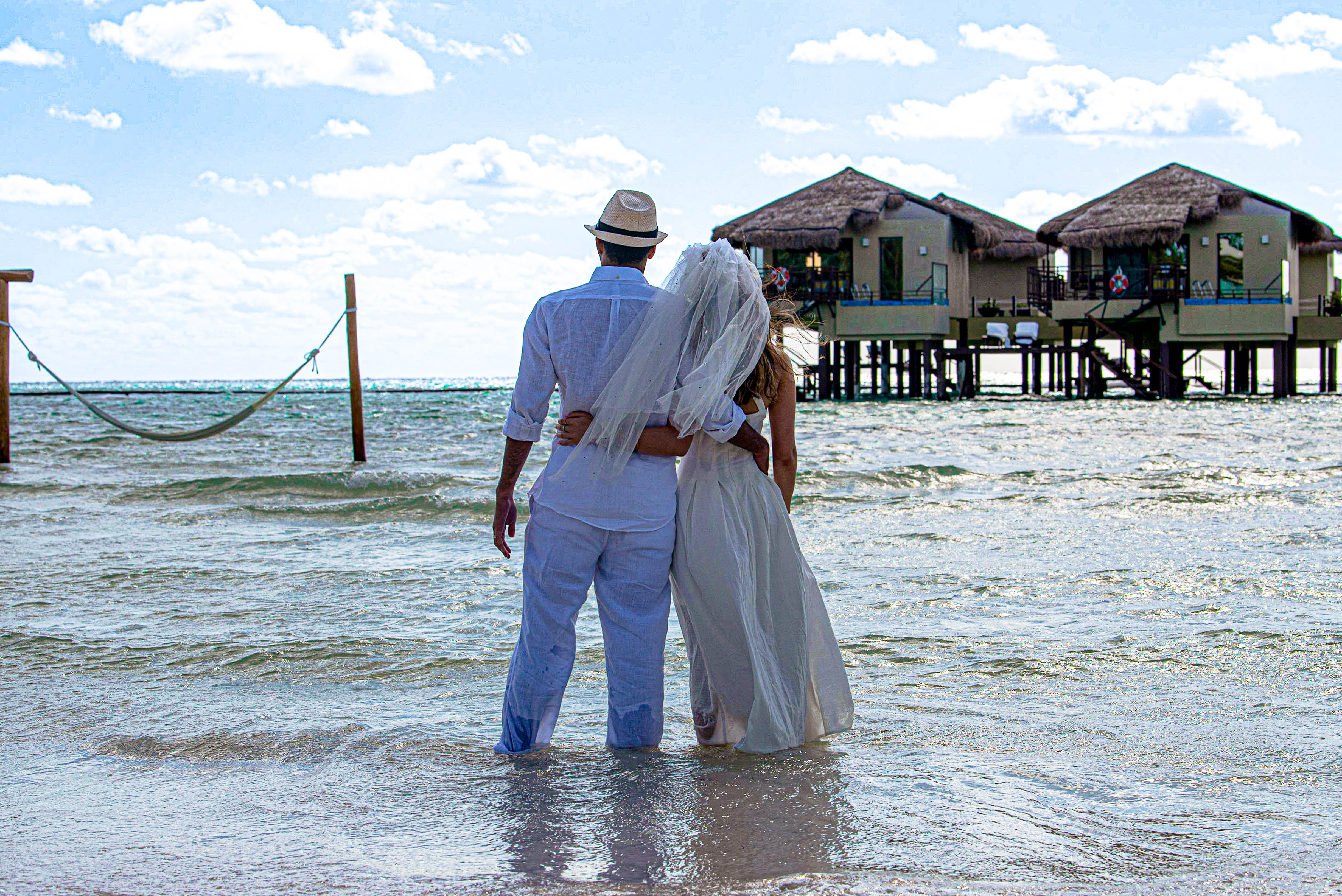
A wedding venue can look exceptional in a site visit and still create avoidable pressure on event day. A terrace may be stunning but difficult to tent. A ballroom may have ample capacity but no practical space for a ceremony reset. When sourcing wedding venues Mexico, experienced planners look beyond the view to confirm how the property will support the complete guest journey, from airport arrival through the final farewell.
Mexico offers a wide range of settings for destination weddings, including beachfront resorts, historic haciendas, contemporary city hotels, vineyard estates, and purpose-built event spaces. The strongest choice is not simply the most photogenic location. It is the venue that aligns the couple’s priorities with realistic guest logistics, production requirements, supplier access, and a clear operational plan.
Start With the Wedding Format, Not the Destination Image
Before comparing properties, define how the wedding needs to function. Guest count is only one part of the brief. A 100-guest dinner with a live band, a multi-course meal, a substantial dance floor, and staging requires a different footprint than a 100-guest cocktail-forward reception. Likewise, a three-day celebration with welcome events and a farewell brunch needs more than one attractive event space.
Build the initial venue brief around the ceremony style, reception format, estimated room block, event schedule, and budget structure. Identify what is non-negotiable, such as a beachfront ceremony, indoor backup, late-night music capability, or exclusive use of a particular space. Then separate those requirements from preferences, including architectural style, view, or proximity to a particular neighborhood.
This distinction helps planners avoid a common sourcing problem: advancing venues that meet the visual direction but cannot support the program. It also gives venue teams the information they need to return accurate proposals rather than broad estimates that change later.
Ask for Capacity by Setup, Not One Maximum Number
A venue’s stated capacity can be misleading if it is presented as a single figure. Request capacities for each relevant setup: ceremony seating, rounds, long tables, cocktail reception, theatre-style presentation if needed, and dancing with entertainment. Ask whether the number includes a stage, dance floor, buffet or service stations, bar placement, and accessible circulation.
Guest flow matters as much as square footage. Consider where guests will wait before the ceremony, whether the cocktail area is close enough to prevent a long transition, and how the venue manages movement during a weather change. A well-designed sequence reduces the need for directional staffing and keeps the event feeling intentional.
Compare Wedding Venues Mexico by Operational Fit
Destination appeal is a major advantage, but Mexico is not one uniform event market. Travel patterns, weather conditions, transportation options, supplier availability, and venue rules vary by destination and property. Compare wedding venues Mexico through the same operational lens you would use for a major program in any market.
In Cancún and the Riviera Maya, resort infrastructure and airlift can make guest travel straightforward, while outdoor spaces require thoughtful rain, wind, and heat planning. Los Cabos delivers dramatic coastal settings, but planners should carefully review seasonal weather, transfer timing, and outdoor production requirements. Mexico City can suit couples seeking a sophisticated urban experience with strong hotel inventory, though traffic and citywide events can affect transportation schedules. Mérida, Oaxaca, San Miguel de Allende, and Valladolid may offer distinctive architectural and cultural settings, with a different supplier and logistics profile than large resort destinations.
The right destination depends on the guest experience the couple wants to create and the amount of logistical complexity the planning team can support. A highly distinctive setting may be worth additional coordination. It should not, however, be selected on atmosphere alone.
Evaluate the Full Event Footprint
Ask each venue to map the spaces proposed for every programmed moment. This should include arrival, ceremony, cocktail reception, dinner, dancing, late-night programming, and any next-day function. Review restrooms, green rooms, storage, loading access, and locations for catering support, entertainment, lighting, and audio-visual control.
For hotel venues, confirm the relationship between guestrooms and function space. A property can be ideal for the reception but inconvenient for guest access, or it may have several simultaneous programs competing for elevators, shared outdoor areas, and loading zones. Request a clear view of what else will be taking place on the dates under consideration.
Outdoor events deserve particular attention. Confirm the rain plan in writing, including the exact alternate location, decision deadline, capacity in the backup configuration, and responsibility for tenting or other weather protection. An indoor alternative that holds fewer guests or requires an entirely different layout is not a true backup plan.
Put Guest Logistics at the Center of the Shortlist
For a destination wedding, the venue experience begins long before guests enter the ceremony space. Airport access, transfer duration, room block availability, check-in patterns, and wayfinding influence how relaxed and present guests feel throughout the celebration.
Review the nearest airport and the expected arrival windows for the group. If the venue is outside a central hotel zone, assess the reliability of ground transportation and whether guests will need coordinated transfers for each function. For events where guests are staying across multiple properties, determine how transportation staging will work after dinner and late-night entertainment.
Room blocks should be evaluated alongside the venue agreement, not as a separate convenience. Confirm room categories, contracted rates, cutoff dates, attrition terms, upgrades, and how the hotel will manage VIP arrivals. If a wedding includes events across several days, ask whether guests will have clear access to the spaces without crossing through unrelated group functions.
Accessibility should be addressed early as well. Discuss step-free routes, elevator access, restroom configuration, golf cart availability for expansive properties, and any terrain considerations. A historic or coastal setting may present limitations, but the venue should clearly explain accommodations and alternatives.
Review Venue Terms Before the Design Process Starts
The most successful venue selection process balances creative potential with contractual clarity. Before placing a property on the final shortlist, review the commercial and operational terms that will affect the event budget and supplier plan.
Key questions include whether the venue requires in-house catering, beverage service, audio-visual, or décor providers; whether outside suppliers are permitted; and what fees apply for approved external partners. Ask about service charges, taxes, mandatory staffing, security, cleaning, power, corkage, and overtime. These costs can materially change the value of an initial proposal.
Also confirm sound restrictions, event end times, rehearsal access, load-in and load-out windows, and rules for candles, fireworks, drones, hanging installations, or amplified entertainment. A reception concept can be fully feasible from a design perspective yet impossible under property regulations.
Contracts should define the cancellation schedule, deposit dates, force majeure language, minimum food and beverage commitments, and the process for modifying guest counts. For international clients, clarify payment currency, accepted payment methods, exchange-rate treatment, and invoicing requirements. Early transparency protects both the client budget and the planning timeline.
Source Suppliers Around the Venue, Not After It
A venue does not operate in isolation. The quality of catering, entertainment, transportation, floral design, technical production, photography, and destination management support will shape the final experience. Some properties have excellent in-house teams and preferred partners that improve coordination. Others offer greater flexibility for planners to build a custom vendor team.
Neither model is automatically better. A preferred-supplier structure can streamline approvals and simplify on-site communication, especially for a complex program. An open-vendor policy may provide more creative or budget flexibility, provided suppliers understand the venue’s access rules, power availability, and production limitations.
Ask venue teams which suppliers work regularly on property and where they see common operational challenges. Then request proposals that account for the actual layout and schedule rather than generic packages. Mexico Venue Finders helps planners bring venue discovery and supplier sourcing into one organized process, making it easier to compare local options with the information needed for confident decisions.
Make the Site Inspection Decision-Oriented
A site inspection should answer the questions that a proposal cannot. Walk the property at the same time of day as the planned events to assess light, heat, wind, noise, and guest movement. Review the route from guestrooms to each function space. Visit the rain backup, loading area, kitchens or catering support areas where appropriate, and entertainment locations.
Bring a working agenda, preliminary floor plan, and list of production needs. Instead of asking whether something is possible, ask where it will go, who will approve it, when it can be installed, and what it will cost. Photograph transitions and service areas as carefully as ceremony views. Those details are often what determine whether a beautiful concept can be executed comfortably.
The best venue partner will engage with these questions directly. They will be candid about limitations, offer workable alternatives, and connect the planning team with the people responsible for operations. That level of responsiveness is a meaningful selection criterion, particularly when managing an event from the United States.
A confident venue choice leaves room for celebration rather than last-minute problem solving. Set the brief, compare the operational details, and use each conversation to test how well the property will support the event your client is actually planning.